
Even in well-run workplaces, the topic of drinking water doesn’t always get much attention. Yet it plays a direct role in employee comfort, health, and safety. What some teams may not realize is that access to clean, safe drinking water isn’t just a best practice, it’s part of federal workplace safety requirements.
The Occupational Safety and Health Administration (OSHA) is the agency responsible for creating and enforcing those requirements. OSHA’s work extends far beyond construction sites or industrial settings. Its standards apply to most workplaces in the country and cover everything from equipment safety to sanitation and indoor environmental conditions. Drinking water is one of the basics OSHA includes because hydration affects everything from concentration to heat-related health risks.
Understanding what OSHA expects helps employers make informed decisions, support their teams, and maintain a safe, compliant environment. These questions and answers break down OSHA’s drinking water rules and show how businesses can meet those expectations with confidence.

Q: Does OSHA require employers to provide drinking water?
Yes. OSHA’s sanitation standard, found in 29 CFR 1910.141, requires employers to provide safe, potable drinking water at no cost to employees. “Potable” means the water is safe for human consumption and free from contaminants.
The rule applies to every general industry workplace, regardless of size or type.
Q: What counts as “potable” water under OSHA?
OSHA expects the water to be:
- Safe to drink
- From an approved or sanitary source
- Free from harmful microorganisms and chemical contaminants
- Suitable for drinking throughout the day
This can include:
- Municipal tap water (if safe and properly maintained)
- Filtered or purified water
- Bottleless water dispenser systems
What OSHA does not allow is water from questionable sources, bathroom sinks, unsanitary dispensers, or containers that can be contaminated through handling.
Q: Does the water have to be free and accessible?
Yes to both. OSHA requires drinking water to be:
- Provided at no cost
- Easily accessible
- Available whenever employees need it
Workers should not have to walk far, leave their work area for extended periods, or ask permission to get water.
Accessibility becomes even more serious in hot work environments, where OSHA expects frequent hydration.
Q: Are shared cups, dipper-style containers, or open jugs allowed?
No. OSHA prohibits:
- Shared drinking cups
- Open containers
- Any system where water could be exposed to contamination
Modern closed-system dispensers or touchless bottleless water coolers meet this expectation more reliably than older styles of equipment.
Q: What are common OSHA violations related to drinking water?
Many issues arise from aging equipment or poor maintenance rather than intentional neglect. Common problems include:
- Old or unsanitary water coolers
- Dust, mold, or algae around spigots or reservoirs
- Discolored or off-tasting tap water
- Too few water stations for the size of the facility
- Warm or stagnant water
- Bottles stored in unsanitary areas
- Hot work environments without adequate hydration support
OSHA does not require businesses to test their water, but it does require employers to ensure the water stays potable. A system that tastes bad, looks cloudy, or discourages hydration may not meet that standard.
Q: What does OSHA require in hot or physically demanding workplaces?
For warm indoor environments or outdoor job sites, OSHA expects employers to:
- Provide cool, potable water
- Encourage workers to drink regularly
- Offer enough water for employees to drink every 15 to 20 minutes
These expectations fall under OSHA’s National Emphasis Program on heat illness. Hydration is treated as a key part of preventing heat exhaustion and heat stroke.
Q: Why is hydration considered a workplace safety issue?
Even mild dehydration affects the body and the brain. Symptoms can include:
- Headaches
- Fatigue
- Dizziness
- Muscle cramps
- Difficulty concentrating
- Irritability
In physically demanding roles or hot environments, dehydration can quickly lead to more serious health risks. Because of this, OSHA views drinking water as a basic workplace protection, similar to ventilation or proper lighting.
Q: How does drinking water impact productivity and focus?
Hydrated employees are more alert and clear-headed. When water is clean and refreshing, employees naturally drink more throughout the day, which leads to:
- Better concentration
- Fewer headaches
- Steadier energy
- Faster reaction time
- Improved mood
These are small changes that add up to a more comfortable, productive workplace.
Q: Isn’t tap water good enough?
Not always. Tap water quality can vary widely based on:
- Local water treatment
- Pipe age and condition
- Building plumbing issues
- Mineral content
- Odors or unpleasant taste
Even when municipal water meets legal standards, employees often avoid it if it tastes metallic, looks cloudy, or has an odor. OSHA requires the water to be potable, but businesses also benefit when the water is appealing enough that employees actually want to drink it.
Many workplaces install filtration or purification systems simply because they improve taste, clarity, and consistency.

Q: Are traditional jug coolers still acceptable?
OSHA does not ban jug coolers, but they come with risks employers should understand:
- Bottles can grow algae if exposed to sunlight
- Reservoirs can collect bacteria
- The jug neck is exposed during bottle changes
- Dust accumulates around spigots
- Storage rooms often contain contaminants
- Water can stagnate
These issues make it harder to guarantee water stays clean. Many businesses switch to bottleless filtration systems because they are closed, sanitary, and maintained professionally.
Q: How do bottleless or point-of-use systems help with OSHA compliance?
Bottleless systems make it much easier to meet OSHA’s expectations because they offer:
- Cleaner dispensing: Closed systems reduce contamination risks from handling or storage.
- Consistent filtration: Filtration removes sediments, chlorine taste, odors, and potential contaminants.
- Continuous supply: Because they connect directly to the water line, businesses never run out of water during a shift.
- Cold, refreshing water on demand: Employees drink more when the water tastes good and stays at a comfortable temperature.
- Less physical strain: No more lifting or storing heavy jugs.
- Professional maintenance: Routine service helps ensure the system stays clean and safe.
These advantages help businesses meet OSHA standards while giving employees a more enjoyable hydration experience.
Q: What types of workplaces benefit most from upgraded water systems?
Any business can benefit, but certain environments have stronger needs:
- Warehouses and distribution centers
- Manufacturing plants
- Schools and colleges
- Healthcare facilities
- Office buildings
- Commercial kitchens
- Gyms and recreational facilities
- Retail locations
- Auto repair shops
- Construction sites
- Hospitality environments
Anywhere workers generate heat, exert energy, or spend long hours indoors will benefit from better hydration resources.
Q: How does Pure Water WNY support OSHA compliance?
Pure Water WNY works with businesses throughout Western New York to provide clean, reliable drinking water systems that support OSHA expectations. Services include:
High-quality filtration and purification systems
These systems improve taste, remove contaminants, and deliver consistent water quality.
Touchless or sanitary dispensing options
These reduce contamination concerns and match OSHA’s sanitation requirements.
Reliable, on-demand water supply
Businesses can be confident that water will not “run out” during busy shifts.
Professional installation and maintenance
Regular servicing keeps systems clean, efficient, and compliant.
Customized solutions for different industries
Pure Water WNY ensures each environment gets the right system for its size, layout, and daily usage.
These solutions give employees water they actually want to drink while helping employers meet federal safety rules.
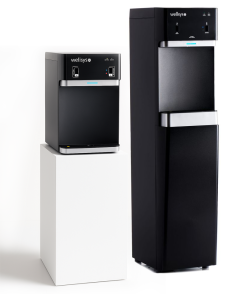
Touch-free W9 + W9CT
Q: Beyond OSHA, why does clean water matter in today’s workplaces?
Clean water is part of creating a supportive, healthy work environment. It contributes to:
- Employee morale
- Better health
- Fewer minor complaints
- A cleaner break room
- Less waste from bottles and cans
- More sustainable business operations
When employees know their workplace values their well-being, it builds trust and supports a positive culture. Something as simple as great-tasting water can reinforce that.
Q: What steps can employers take to improve hydration in the workplace?
Here are a few effective, easy changes:
- Place water stations where employees naturally gather
- Provide reusable cups or encourage personal bottles
- Offer extra water access during warm months
- Clean or service water systems regularly
- Choose a system designed to prevent contamination
- Make sure water is always cool and appealing
- Encourage hydration before long meetings or shifts
These steps help employees stay comfortable and perform at their best.
Clean Water Is a Safety Standard and a Business Advantage
OSHA’s drinking water rules are simple but meaningful. When employees have access to clean, fresh, readily available water, the entire workplace benefits. Hydration supports health, safety, and day-to-day comfort, especially in active or high-heat environments.
Pure Water WNY helps businesses meet OSHA’s expectations while giving their teams an improved hydration experience. With reliable, professionally maintained systems, employers can trust that their water is safe, appealing, and always available.
About Us
Pure Water of Western and Central New York has proudly served over 1,000 customers with high-quality water and ice purification systems since 2008. As a locally owned, family-run business, we take pride in building lasting relationships with the communities we serve. Our commitment to clean, great-tasting water and outstanding service has earned us national recognition, including multiple awards from Wellsys for top-tier performance. As a certified MWBE (Minority and Women Owned Business Enterprise) and a supporter of Cradle Beach—an organization dedicated to providing memorable experiences for children with disabilities and special needs—we’re passionate about promoting inclusion, giving back to our community, and delivering environmentally responsible solutions that make a difference every day.