

Environmental responsibility, employee well-being, and transparent business practices are increasingly shaping how organizations make decisions. These considerations now influence purchasing choices, workplace planning, and long-term business strategy. This shift is often guided by ESG (environmental, social, and governance) initiatives, which help businesses evaluate their impact beyond revenue alone.
One area gaining attention is workplace water consumption. While bottled water has long been the standard, more organizations are taking a closer look at whether it aligns with their environmental goals, social commitments, and governance expectations. As ESG initiatives continue to evolve, bottleless water is emerging as a practical option that supports these priorities without disrupting the workday.
This article explores what ESG initiatives are, why they matter, and how they are influencing businesses to rethink something as simple and visible as drinking water.

Understanding ESG in Today’s Business Environment
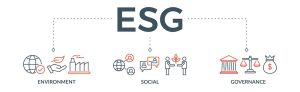
ESG stands for Environmental, Social, and Governance. Together, these three areas provide a framework for evaluating how a business operates, manages risk, and plans for the future.
The environmental component focuses on how an organization impacts natural resources and ecosystems. The social component examines how a business treats people, including employees, customers, and the communities it serves. Governance addresses leadership, accountability, transparency, and compliance.
What makes ESG especially relevant today is how closely it connects to real business decisions. Investors, customers, and partners increasingly expect organizations to demonstrate responsibility through action, not just policy statements. As a result, ESG considerations are influencing procurement decisions, workplace investments, and sustainability planning across organizations of all sizes.
Rather than requiring sweeping changes, ESG progress often begins with small, measurable improvements that can be documented and sustained over time.
It is also worth clarifying what ESG is and what it is not. ESG is not a government program or a single set of regulations. It is a business framework shaped largely by investor expectations, customer priorities, and organizational values, even as governments may require certain disclosures or compliance reporting.
The Environmental Cost of Bottled Water at Work
Single-use plastic bottles remain a common sight in offices, break rooms, and meeting spaces. While convenient, bottled water carries significant environmental costs that many organizations are now reconsidering. Around 600 billion plastic water bottles are produced globally each year, and in the U.S. only about one-third of those bottles are recycled.
Plastic bottles can take hundreds of years to decompose once discarded, adding to long-term landfill waste. Producing bottled water also requires significant fossil fuel resources, with estimates showing that plastic bottle production in the United States consumes tens of millions of barrels of oil each year.
Even with recycling programs, the volume of waste and low recycling rates mean bottled water often undermines broader sustainability goals. For businesses aiming to reduce landfill contributions and make measurable progress on environmental targets, bottled water becomes difficult to justify. As ESG goals evolve beyond planning and into daily practices, workplace water consumption stands out as a visible opportunity for improvement.
How Bottleless Water Aligns With Environmental ESG Goals
Bottleless water systems address several environmental concerns at once. By filtering and dispensing water on site, they eliminate the need for single-use plastic bottles. This reduction in plastic waste is immediate and measurable.
Removing bottled water deliveries also reduces transportation-related emissions. Fewer trucks, fewer routes, and fewer shipments contribute to a smaller environmental footprint over time.
From an ESG perspective, these benefits are not theoretical. They can be tracked through reduced waste output, lower packaging use, and simplified sustainability reporting. For organizations aiming to show tangible environmental progress, bottleless water provides a clear and defensible improvement.
Importantly, these gains do not rely on employee behavior changes. Staff still have easy access to drinking water, which helps sustainability efforts remain consistent rather than dependent on participation.
The Social Side of ESG and Workplace Hydration
ESG initiatives are not limited to environmental outcomes. The social component places strong emphasis on employee health, comfort, and overall workplace experience.
Access to clean, good-tasting drinking water plays a role in employee well-being. When water is readily available, employees are more likely to stay hydrated throughout the day. This supports comfort, focus, and general wellness.
Bottleless water systems often offer features such as temperature control and filtration that improve the drinking experience compared to traditional bottled options or older water coolers. From a social ESG standpoint, this signals attention to employee needs without creating additional complexity.
Providing reliable access to filtered water also supports inclusivity. Employees are not required to bring their own water or rely on disposable options, which can help create a more equitable workplace environment.
Governance, Accountability, and Smarter Resource Management
Governance is where ESG initiatives move from intention to accountability. Businesses are expected to show how decisions align with stated values and long-term planning.
Managing bottled water programs can complicate this effort. Tracking orders, coordinating deliveries, and monitoring waste introduces variables that are difficult to control and document consistently.
Bottleless water simplifies governance by reducing moving parts. Water usage becomes centralized, predictable, and easier to monitor. This supports clearer reporting and aligns with procurement strategies focused on efficiency and accountability.
For organizations required to share ESG metrics with stakeholders, simplified systems make it easier to demonstrate progress. Bottleless water becomes one less area where data gaps or inconsistencies can arise.
Comparing Bottled Water and Bottleless Solutions
When businesses evaluate their options, the differences between bottled water and bottleless systems extend beyond sustainability alone. Bottled water requires ongoing ordering, storage, and disposal, and its supply chain depends on regular delivery logistics that can be vulnerable to disruptions. Offices may run out during peak demand or over-order to avoid shortages, leading to excess inventory that takes up space.
Recent analyses show that the global bottled water industry has grown about 73 % over the past decade and that more than 1 million bottles of water are sold every minute worldwide. This rapid growth contributes substantially to plastic use, waste, and related environmental impacts.

At the same time, the environmental footprint of bottled water remains a concern. A substantial portion of single-use bottles end up in landfills or natural environments, where they contribute to long-term waste and pollution.
In contrast, bottleless water systems operate continuously and scale easily as organizations grow or change. They reduce dependency on external deliveries, minimize storage and waste management needs, and provide consistent access to drinking water. From an ESG standpoint, this kind of steady, low-waste solution supports environmental goals while also simplifying workplace resource planning.
Why Water Choices Matter in ESG Progress
One challenge many businesses face with ESG initiatives is turning high-level goals into meaningful, visible action. Larger sustainability projects often require significant time, budget, and coordination, which can slow progress.
Workplace water choices provide a more immediate opportunity. Changes are easy to see and simple to understand. Employees notice when bottled water is removed. Visitors see bottleless systems in shared spaces. These visible shifts show that sustainability goals are being put into practice, not just outlined in policy documents.
Because drinking water is part of the everyday work environment, improvements in this area can help build momentum for broader ESG efforts. Small, practical changes build confidence and demonstrate that responsible choices can be made without disrupting how people work.
Bottleless Water as a Measurable ESG Improvement
For organizations that prioritize measurable ESG outcomes, bottleless water offers clear, trackable benefits. Eliminating single-use bottles directly reduces plastic waste. Removing bottled water deliveries cuts down on transportation and storage needs. At the same time, employees have consistent access to filtered drinking water throughout the workday.
These changes are easy to document and can be included in internal reviews or external ESG reporting. They also align with growing employee expectations for responsible, well-managed workplaces.
Bottleless water is a practical upgrade that delivers measurable results while supporting long-term environmental and workplace goals.

Turning ESG Goals Into Everyday Decisions
ESG initiatives are most effective when they guide everyday business decisions, not just long-term plans or reports. While strategy matters, real progress happens when organizations make practical changes that reflect their stated priorities.
Reconsidering bottled water is one example. Switching to bottleless water reduces plastic waste, supports employee health, and simplifies oversight, all within a single decision.
As ESG continues to influence how businesses define responsibility and success, choices about everyday resources like drinking water will carry more weight. Bottleless water demonstrates how thoughtful, responsible practices can be integrated smoothly into the workplace without adding complexity.
About Us
Pure Water of Western and Central New York has proudly served over 1,000 customers with high-quality water and ice purification systems since 2008. As a locally owned, family-run business, we take pride in building lasting relationships with the communities we serve. Our commitment to clean, great-tasting water and outstanding service has earned us national recognition, including multiple awards from Wellsys for top-tier performance. As a certified MWBE (Minority and Women Owned Business Enterprise) and a supporter of Cradle Beach—an organization dedicated to providing memorable experiences for children with disabilities and special needs—we’re passionate about promoting inclusion, giving back to our community, and delivering environmentally responsible solutions that make a difference every day.